
Xôi lạc TV là địa chỉ cung cấp các trận cầu bóng đá trực tuyến miễn phí chất lượng cao. Hãy tham khảo bài viết này để có thêm nhiều thông tin bổ ích cho mình bạn nhé!
Xoilac 7 – Trang tin bóng đá không thể bỏ lỡ của các tín đồ yêu bóng đá
Khi nhắc đến kênh thể thao trực tuyến thì Xoilac 7 chắc chắn là cái tên đầu tiên nảy ra trong lòng người đam mê bóng đá. Đơn giản vì địa chỉ này luôn cung cấp đa dạng các trận cầu hay, hấp dẫn và không kém phần gay cấn. Bên cạnh đó, mỗi trận đấu đều có hình ảnh sắc nét, âm thanh sống động. Đó là lý do vì sao Xoilac 7 được nhiều người ưa chuộng đến vậy. Để biết tường tận hơn về kênh thể thao trực tuyến này, anh em hãy cùng tham khảo bài viết sau đây nhé!

Sơ lược về trang xem trực tiếp bóng đá Xoilac 7
Bóng đá từ lâu đã khẳng định được vị thế môn thể thao vua của mình. Bộ môn này luôn rất biết cách chiếm cảm tình từ người hâm mộ. Từ những trận cầu mãn nhãn cho đến các khoảnh khắc điên rồ và đẳng cấp tạo nên lịch sử. Tất cả đều mang đến bầu không khí mà anh em sẽ không thể tìm thấy ở bất kỳ môn thể thao nào khác. Các trận đấu bóng đá cũng chứa đựng không ít điều bất ngờ khiến khán giả khó lòng ngồi yên.
Tuy nhiên, không phải ai cũng có điều kiện và thời gian để đến sân vận động xem đội bóng mình yêu thích thi đấu. Chính vì điều này mà các trang xem bóng đá trực tuyến đã ra đời. Trong đó nổi tiếng nhất là Xoilac TV trực tiếp bóng đá.

Ngoài việc cung cấp xem trực tiếp bóng đá Xoilac 7, trang web còn cập nhật thông tin về các giải đấu hàng đầu Châu Âu như Ngoại hạng Anh, Bundesliga, Serie A, La Liga,… Bên cạnh đó các tin tức bên lề, bảng xếp hạng, lịch trình thi đấu cũng đều có mặt đầy đủ tại nơi đây.
Mục tiêu hoạt động và định hướng phát triển của Xoilac 7
Khi xã hội ngày một phát triển, công nghệ kỹ thuật ngày càng hiện đại và tối ưu hóa. Do đó mà những trang tin tức trực tuyến lần lượt ra đời. Người yêu thích thể thao có thể sử dụng điện thoại, laptop để cập nhật tin tức bất cứ lúc nào và ở bất kỳ đâu.
Nắm bắt được tâm lý chung đó, chúng tôi đã phát triển kênh thông tin online của mình thành chuyên trang Xoilac TV trực tiếp bóng đá. Định hướng phát triển trọng tâm của trang chính là cung cấp một không gian xem bóng đá Xoilac TV live chất lượng và đáng tin cậy. Trong đó, 4 mục tiêu đã và đang dần hoàn thiện như:
- Trở thành một trong những xem bóng đá trực tiếp Xoilac 7 miễn phí tốt nhất.
- Một kênh thông tin với chất lượng hình ảnh và âm thanh được đánh giá cao.
- Người dùng có thể dễ dàng truy cập xem bóng đá Xoilac 7 trực tuyến.
- Một kênh cung cấp thông tin thể thao uy tín và chính xác.
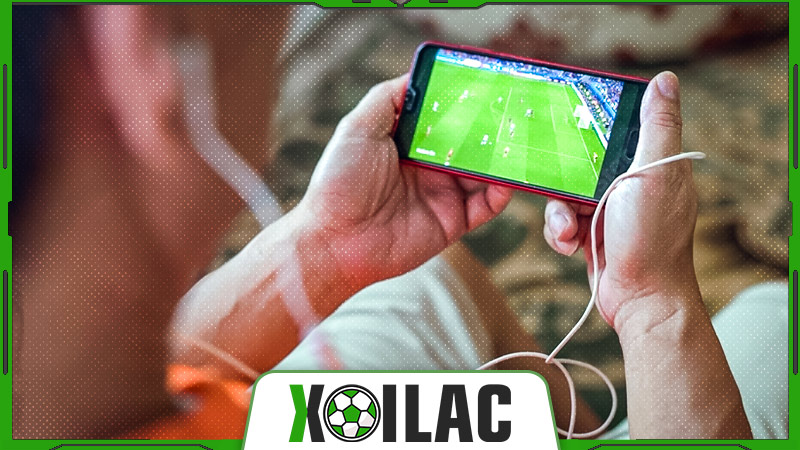
Ngoài việc cung cấp cho người hâm mộ một kênh thể thao chất lượng. Đội ngũ Xoilac7 chưa bao giờ quên mất mục tiêu hàng đầu của mình. Đó là đưa mọi người đến gần hơn với trái bóng tròn thông qua website Xoilac TV trực tiếp bóng đá.
Hiện tại, Xoilac 7 có thể tự tin với vị thế vững vàng của mình. Nơi đây có rất nhiều BLV khác nhau dẫn dắt cho từng trận đấu. Nhờ vào sự hài hước, dí dỏm cùng kinh nghiệm lâu năm của mình. Các BLV khiến người dùng cảm thấy thư thái và vui vẻ khi theo dõi những trận cầu hấp dẫn.
Nhờ sự đa dạng này mà trang web xem bóng đá trực tiếp Xoilac 7 ngày càng thu hút nhiều người theo dõi hơn. Không những thế, người xem còn đánh giá rất cao về chất lượng bình luận viên tại trang thông tin này. Tuy nhiên không vì vậy mà Xoilac 7 live lơ là nâng cao chất lượng của mình. Website luôn tiếp tục mở rộng và phát triển với mong muốn phát sóng được nhiều trận đấu hay ho hơn nữa cho người xem.
Trong tương lai, người hâm mộ sẽ được thưởng thức một Xoilac live phát sóng tất cả các trận đấu lớn nhỏ trên toàn thế giới. Hãy tin tưởng và ủng hộ XoilacTV để kênh tin tức này tiếp tục phát triển nhé!
Ưu điểm nổi trội của kênh thể thao Xoilac 7
Bóng đá luôn được nhiều người hâm mộ yêu thích. Do đó ắt hẳn anh em phải cảm thấy rất khó chịu khi xem các trận đấu đỉnh cao bị gián đoạn hoặc nhiễu sóng. Khi đến với Xoilac live, người xem sẽ không phải lo lắng về những vấn đề đó nữa. Anh em sẽ được tận hưởng những trận cầu chất lượng và hấp dẫn nhất khi xem bóng đá trực tiếp Xoilac 7.
Website luôn đầu tư và lắng nghe mọi ý kiến góp ý từ phía người xem để cải thiện ngày một tốt hơn. Để biết rõ hơn về những ưu điểm nổi bật của kênh tin tức này. Anh em hãy cùng đọc qua những thông tin được trình bày bên dưới nhé!
Cung cấp đa dạng nhiều giải đấu hấp dẫn
Như đã nói ở trên, trang tin tức xem bóng đá Xoilac live đã phát triển và cung cấp nhiều chuyên mục khác nhau. Người xem có thể theo dõi đầy đủ các bảng xếp hạng và tin tức bóng đá của từng giải đấu. Đối với những anh em có ít thời gian không thể theo dõi các trận đấu thường xuyên. Chuyên mục kết quả bóng đá của Xoilac 7 live chính là nơi đáp ứng tốt nhất nhu cầu thu thập thông tin của bạn.

Ngoài ra, lịch thi đấu, soi kèo và tỷ lệ cá cược thường xuyên được cập nhật. Điều này nhằm đáp ứng tiêu chí bám sát thời gian thực tế mà website đã đề ra. Những anh em đam mê bóng đá sẽ có cái nhìn đa chiều hơn về các trận đấu sắp tới. Từ đó giúp ích khá nhiều cho quá trình đặt cược được chính xác hơn.
Giao diện trang chủ thân thiện, dễ dùng
Khi truy cập vào giao diện chính của website, anh em sẽ nhận thấy được sự đầu tư kỹ lưỡng và chú trọng đến từng chi tiết. Điều này giúp nơi đây trở thành một trong những kênh thông tin xem bóng đá trực tuyến Xoilac 7 tốt nhất tại Việt Nam.
Các chuyên mục trên cùng được làm nổi bật với nền màu xanh lá cây, kết hợp với sắc trắng tinh khôi của những con chữ. Nội dung và các chuyên mục được sắp xếp rất bài bản, hợp lý. Anh em sẽ dễ dàng tìm kiếm và theo dõi các thông tin mà không cần mất quá nhiều thời gian. Tất cả những điều này đã tạo nên một website bóng đá tuyệt vời, khó có nơi nào bì kịp.
Anh em sẽ tìm được chuyên mục mình cần một cách nhanh chóng. Những chuyên mục lớn như Xem trực tiếp bóng đá Xoilac, website còn phân chia thành rất nhiều mục nhỏ. Cụ thể như mục trận đấu hôm nay, các trận ngày mai, tỷ số thi đấu, kết quả,…giúp anh em dễ dàng xem bóng đá trực tiếp Xoilac 7 và theo dõi các thông tin hoặc trận đấu mà mình bỏ lỡ
Không giống với những website thể thao trên thị trường, tại Xoilac 7 các biển hiệu quảng cáo được sắp xếp vô cùng hài hòa và tiết chế, không gây khó chịu cho người xem. Đặc biệt Xoilac 7 live chỉ hợp tác với những địa chỉ nhà cái uy tín chất lượng nên bạn có thể yên tâm rằng mình sẽ không bị vướng vào những nhà cái lừa đảo.
Bên cạnh đó giao diện của Xoilac TV trực tiếp bóng đá cũng tương thích với các hệ điều hành hiện có trên thị trường. Anh em có thể dễ dàng truy cập bằng điện thoại hoặc laptop. Dù bạn đang sử dụng hệ điều hành nào có thể xem trực tiếp bóng đá Xoilac 7 live mượt mà trên trang web này.
Cam kết an toàn bảo mật nội dung xem tới tất cả người dùng
Anh em hâm mộ xem bóng đá Xoilac có thể hoàn toàn an tâm khi truy cập thông tin tại đây. Theo mục tiêu chiến lược phát triển lâu dài của Xôi Lạc TV, việc bảo mật dữ liệu khách hàng luôn được ưu tiên hàng đầu.
Tất cả các liên kết phát sóng của các trò chơi bóng đá trực tuyến phổ biến nhất phải đi qua hệ thống theo dõi của nhân viên. Vì vậy, không để xảy ra các liên kết đen tiềm ẩn nhiều nguy cơ dẫn đến rò rỉ thông tin, dữ liệu của người dùng. Hãy đến với website và tận hưởng trải nghiệm!
Các tính năng và dịch vụ vô cùng hấp dẫn
Trên website Xoilac, người dùng dễ dàng lựa chọn các tính năng được sắp xếp có hệ thống và khoa học. Bạn có thể theo dõi lịch trình của đội bóng mình yêu thích ở bất cứ đâu và bất cứ lúc nào. Từ đó bạn có thể đặt lịch hẹn cho trận bóng đá yêu thích của mình và xem bóng đá trực tiếp Xoilac 7 ngay.
Nếu bận không xem được mà bỏ lỡ trận bóng nào, mục Highlights của Xoilac 7 cũng giúp bạn theo dõi lại những pha bóng đẹp mắt, kỹ thuật đỉnh cao của các cầu thủ. Bạn cũng có thể theo dõi vị trí trên bảng xếp hạng của đội bóng yêu thích, kết quả hoặc tỷ lệ cược nhà cái. Sự hỗ trợ này mang lại cho bạn khả năng phán đoán dự đoán soi kèo tốt hơn và giúp nâng tỷ lệ thắng cao hơn.
Cập nhật thường xuyên tin tức bóng đá
Khi người dùng truy cập vào website xem bóng đá Xoilac 7 sẽ nhận thấy lịch phát sóng các trận đấu được phân bố chuyên nghiệp và gọn gàng. Vì vậy, bạn có thể dễ dàng sắp xếp công việc của mình để xem các trận banh một cách dễ dàng và nhanh chóng. Ngoài ra, các thông tin như đội hình dự kiến của từng đội, thời gian thi đấu, địa điểm thi đấu hay trọng tài điều hành trận đấu… đều sẽ được cập nhật đầy đủ và chính xác.
Các thông tin liên quan đến trận đấu mà người dùng quan tâm như: Ý kiến chuyên gia về kèo nhà cái, thống kê thành tích đối đầu, phong độ hiện tại và tỷ lệ tài/xỉu đều được cập nhật. Thông tin toàn diện về thế giới bóng đá vô cùng hữu ích để anh em có thể dự đoán tỷ lệ cược chính xác nhất.
Các giải đấu được tường thuật tại website Xoilac
Website này là nơi anh em có thể xem trực tiếp bóng đá Xoilac 7 các trận đấu lớn nhỏ trên khắp các đấu trường trên thế giới. Bất kể bạn yêu thích đội nào, giải đấu nào hay khu vực nào ở Châu Âu, Châu Á hay Nam Mỹ, chúng tôi đều có mọi thứ bạn cần. Các giải đấu mà Xoilac live phát sóng nhận được rất nhiều sự quan tâm từ người hâm mộ. Điển hình là các giải đấu như:
Giải đấu Premier League
Kể từ khi xuất hiện trên bản đồ bóng đá thế giới, bóng đá nước Anh đã chứng tỏ được sức ảnh hưởng của mình. Đây được đánh giá là một trong những giải đấu khu vực hấp dẫn nhất hành tinh.
Đây chính là giải đấu cấp CLB đặc biệt nhất tại lục địa già. Bởi tính chất chứa đựng nhiều yếu tố bất ngờ mà nó mang lại. Đấu trường Ngoại hạng Anh luôn cho ra mắt những trận cầu kịch tính khiến khán giả không thể ngồi yên. Bạn có thể thưởng thức giải đấu Premier League tại chuyên mục xem bóng đá trực tuyến Xoilac 7.
Giải đấu La Liga
Ở khu vực châu Âu, Tây Ban Nha cũng là một trong những quốc gia có nền bóng đá phát triển nhanh chóng. Giải đấu hàng đầu tại đất nước này là đấu trường La Liga. Người đam mê bóng đá chắc chắn sẽ không quên trận El Clasico nổi tiếng giữa Barcelona và Real Madrid. La Liga cũng nằm trong chuỗi giải đấu hấp dẫn ở châu Âu, giải đấu được giới chuyên môn đánh giá cao về tính chuyên nghiệp và tính cạnh tranh của từng đội bóng.
Serie A
Serie A là giải đấu hàng đầu của nước Ý. Người hâm mộ toàn thế giới đang rất đón nhận các trận đấu trong khuôn quốc gia này. Sự chênh lệch về đẳng cấp giữa các đội bóng đã không còn tồn tại. Lý do là bởi các chủ đầu tư CLB đã quan tâm hơn vào các đội bóng.
Để đáp ứng nhu cầu ngày càng lớn của anh em, website cũng cung cấp dịch vụ xem trực tiếp bóng đá Xoilac 7 các trận đấu Serie A đầy hấp dẫn. Những trải nghiệm siêu thực tại đây chắc chắn sẽ mang đến những khoảnh khắc đáng nhớ cho bạn sau một ngày làm việc mệt mỏi.
Bundesliga
Bundesliga là giải đấu vô địch cấp CLB của nước Đức. Nơi đây quy tụ không ít những điều bất ngờ trong từng trận đấu. Hiện nay, đội bóng đang thống trị ở Đức là Bayern Munich. Tuy ra đời khá muộn so với các đấu trường châu Âu khác nhưng Bundesliga vẫn thu hút không nhỏ số lượng người xem.
Ligue 1
Ligue 1 từ lâu đã được biết đến với cuộc chiến danh hiệu đầy cam go của những đội bóng như Lyon, PSG hay Monaco. Giải đấu nhanh chóng nổi tiếng và thu hút nhiều siêu sao bóng đá đổ xô về để tham dự.
Hệ thống giải đấu hiện tại có sự phân bổ thời gian khác với những đấu trường châu Âu khác đã được chúng tôi đề cập ở trên. Tuy nhiên các quy tắc về xếp hạng và tính điểm thì không có gì thay đổi. Nếu anh em là một fan chân chính của giải đấu Ligue 1 thì sẽ không thể bỏ lỡ bất kỳ trận đấu nào được phát sóng xem trực tiếp bóng đá Xoilac live.
Giải đấu Champions League/ C1
Champions League quả thực là một giải đấu hoàn toàn khác so với những đấu trường kể trên. Ngoài việc quy tụ nhiều đội bóng mạnh của khu vực châu Âu tranh tài. Mức tiền thưởng và danh hiệu Champions League cũng là một trong những yếu tố làm tăng thêm sức hấp dẫn của giải đấu này.
Champions League là chiếc cup danh giá mà nhiều đội bóng luôn muốn đạt được. Do đó mà người hâm mộ càng không thể bỏ qua được các trận tranh tài ở các mùa giải này. Website luôn cố gắng mang đến sự chuyên nghiệp và tỉ mỉ nhất có thể trong từng trận đấu được phát sóng. Mục đích để khán giả có thể xem bóng đá trực tuyến Xoilac 7 với những trải nghiệm tuyệt vời. Từ đó ngày càng yêu quý và ủng hộ kênh tin tức thể thao này nhiều hơn nữa.
Europa League
Bên cạnh các trận đấu tại Champions League, Europa League cũng là đấu trường cạnh tranh rất khốc liệt. Kể từ khi ra đời cho đến tận ngày nay, Europa League là giải đấu minh chứng cho những thành tích vô song của các cá nhân và tập thể. Vì vậy, dĩ nhiên Xoilac TV trực tiếp bóng đá đã không bỏ qua các trận đấu kịch tích của giải đấu này.
Lý do bạn nên xem bóng đá tại Xoilac 7
Bóng đá luôn là một bộ môn thu hút cho nên có rất nhiều kênh hỗ trợ tường thuật xem trực tiếp bóng đá Xoilac 7 cho người chơi. Giữa rất nhiều sự lựa chọn nhiều người tin tưởng xem bóng đá trực tuyến Xoilac là bởi sự chuyên nghiệp và tận tâm của đội ngũ nhân viên tại đây.
Nhìn chung, XoilacTV mang đến các trận đấu đỉnh cao và có sức hấp dẫn đặc biệt. Người hâm mộ bóng đá sẽ không muốn dù bỏ lỡ chỉ một vài giây gián đoạn trong trận đấu. Có thể nói rằng hầu hết các trang web bóng đá ngày nay sẽ gặp phải tình huống này một vài lần hoặc thậm chí hàng chục lần trong một trận đấu. Điều này làm giảm sự phấn khích của người xem và gây nên những ức chế khó chịu không đáng có.
Nhưng với Xoilac 7, tình trạng gián đoạn này gần như không xảy ra, dù ở bất kỳ trận đấu lớn hay nhỏ nào. Bên cạnh sự chuyên nghiệp và được đánh giá cao, chúng tôi còn mong muốn đáp ứng được tối ưu nhu cầu của anh em đam mê bóng đá.
Bởi nếu không đầu tư hay lắng nghe bình luận thêm thì Xoilac TV live đã không thể nào giữ được vị trí như hiện nay trong lòng người hâm mộ bóng đá. Với những thông tin dưới đây, anh em sẽ hiểu rõ hơn vì sao mọi người thích xem trực tiếp bóng đá Xoilac 7!
Phát sóng luôn đúng giờ
Tốc độ và thời gian chính xác là những yếu tố mà website luôn muốn hướng tới. Trong một xã hội ngày càng bận rộn và hối hả, sự đúng giờ luôn là yếu tố được đánh giá cao khi xem bóng đá trực tuyến Xoilac. Chính vì vậy Xoilac TV trực tiếp bóng đá luôn cập nhật nhanh nhất các trận đấu đỉnh cao từ quốc tế đến trong nước để bạn có thể theo dõi trận đấu mà không hề lãng phí giây phút nào.
Tại Xoilac TV live, người hâm mộ bóng đá có thể thưởng thức những tình huống bất ngờ trên sân và những giây phút thăng hoa của bóng đá. Và đặc biệt xem bóng đá trên Xoilac 7 không bị tạm dừng hoặc ngắt quãng trận đấu do nhiều yếu tố bên ngoài.
Các Bình luận viên chuyên nghiệp và có khiếu hài hước
Xem trận đấu trên các kênh chính thức thường có kèm bình luận. Nhưng các BLV hơi khô khan, phân tích chuyên nghiệp nhưng kém hấp dẫn. Thực tế, bóng đá là môn thể thao giúp con người thư giãn và tìm lại cảm giác phấn khích sau hàng loạt các vấn đề đau đầu trong cuộc sống. Những bình luận viên quá chỉn chu lại khiến người xem thưởng thức trận bóng với thái độ gượng ép không quá thoải mái.
Nhưng ở Xoilac 7, các bình luận viên luôn gây được ấn tượng và không khí phấn khích. với sự chuyên nghiệp và phân tích các diễn biến của trận đấu đến từng li từng tí, thêm vào khả năng hài hước nên các BLV của Xoilac 7 live đã trở nên rất nổi tiếng từ lâu.
Các bình luận viên như Leo, Tap, Rickhanter,… thường được đánh giá cao nhờ đáp ứng tốt nhu cầu giải trí của người hâm mộ khi xem các trận đấu bóng đá. Ngoài sự hài hước duyên dáng, các bình luận viên đôi khi cũng giao lưu với khán giả trực tuyến vui vẻ thông qua hệ thống kênh chat trực tuyến trong quá trình diễn ra trận đấu.
Xoilac 7 anti quảng cáo
Quảng cáo dai dẳng luôn làm người ta khó chịu. Có thể thấy khi bạn vào giao diện người dùng của một website bóng đá nào đó thì chắc chắn các banner quảng cáo sẽ xuất hiện tràn ngập trên toàn bộ màn hình máy tính, điện thoại của bạn.
Tuy nhiên việc đó không bao giờ xảy ra trên Xoilac 7. Quảng cáo hoàn toàn không hiển thị nên việc duyệt trang và nhấp vào các danh mục trên trang không bị ảnh hưởng. Đây là tính năng mà anh em hâm mộ bóng đá thích nhất.
Hệ thống đường truyền ổn định
Website không chỉ có 1 link cho mỗi trận bóng đá mà còn có rất nhiều link để bạn có thể trải nghiệm tốt nhất. Ví dụ: Nếu kết nối của bạn không ở trong tình trạng hoàn hảo, trang web Xoilac 7 sẽ cung cấp các liên kết phù hợp với bạn hơn.
Ngoài ra, nếu bạn muốn trải nghiệm hình ảnh chân thực và rõ nét nhất, Xoilac 7 vẫn cung cấp tất cả các link Full HD. Xin lưu ý rằng các liên kết được cung cấp bởi trang web của chúng tôi luôn ở mức ổn định và bạn không phải trả bất kỳ chi phí nào.
Không cần đăng ký rườm rà và hoàn toàn miễn phí
Khi bắt đầu tìm hiểu và quyết định gắn bó với một trang web bóng đá nào đó, vấn đề suy nghĩ đầu tiên của tất cả mọi người là kinh phí. Bởi vì tất cả các trang web trực tuyến ngày nay đều yêu cầu người theo dõi phải đăng ký hoặc trả phí hàng năm để truy cập và xem các trận đấu.
Xoilac TV live tự hào luôn đi theo con đường riêng của mình và chứng tỏ đẳng cấp top đầu trên thị trường phát sóng trực tuyến bóng đá. Do đó, chúng tôi không bắt buộc hoặc quy định người theo dõi phải đăng ký tài khoản với Xôi Lạc TV thì mới được trải nghiệm.
Đặc biệt hơn, với tiêu chí miễn phí và mang lại trải nghiệm tốt nhất. Xoilac 7 không đặt ra bất cứ yêu cầu nào về tài chính như đăng ký hay phí thường niên mà anh em vẫn có thể xem trang tất cả chuyên mục trên trang web một cách thoải mái.

Tất cả thông tin về bóng đá bạn cần Xoilac đều có
Anh em không chỉ có thể xem trực tiếp bóng đá Xoilac 7 full HD mà còn có thể xem được những thông tin hữu ích về các giải đấu này. Cụ thể là:
- Xem được những thông tin về các giải đấu mới mỗi ngày.
- Xem lịch thi đấu đầy đủ của các giải đấu.
- Xem bảng xếp hạng cập nhật nhanh chóng và chuẩn xác.
- Xem kết quả các trận đấu mới nhất cập nhật ngay khi vừa kết thúc.
- Xem lại các video highlight những bàn thắng, những pha cầu kinh điển với chất lượng cao.
- Xem tỷ lệ kèo các trận đấu.
- Xem các nhận định phân tích soi kèo từ các chuyên gia trước khi trận đấu diễn ra.
Xoilac 7 là một trang web bóng đá mà anh em hâm mộ trái bóng tròn nhất định không thể bỏ qua. Nếu muốn xem trực tiếp bóng đá Xoilac 7 các trận đấu và cập nhật những thông tin mới nhất bạn chỉ cần dành thời gian truy cập vào trang web này.
Sự ủng hộ hàng ngày của anh em là động lực cho chúng tôi tiếp tục phát triển và chứng minh đẳng cấp số 1 của mình trong thị trường đưa tin trận đấu trực tuyến. Chúng tôi xin gửi lời cảm ơn chân thành đến tất cả những người hâm mộ bóng đá đang theo dõi trang Xoilac.
Những câu hỏi thường gặp của người dùng Xoilac
Mặc dù uy tín là thế nhưng website chúng tôi cũng nhận được không ít câu hỏi từ người dùng mới. Sau đây là một vài câu hỏi thường gặp nhất:
Xoilac 7 có thu phí người dùng hay không?
Chúng tôi hiện không thu bất kỳ khoản phí nào từ người dùng. Vì website hoạt động phi lợi nhuận và kiếm tiền bằng cách đặt banner quảng cáo cho các nhà cái lớn uy tín. Vì vậy, anh em hoàn toàn có thể yên tâm truy cập để tìm hiểu các tin tức thể thao.
Xoilac 7 có phát lại những trận đấu vừa diễn ra không?
Chúng tôi biết rằng không phải ai cũng có thời gian để xem trực tiếp trận đấu bóng đá mà mình muốn. Đó là lý do tại sao chức năng phát lại được Xoilac 7 phát triển và cho ra mắt. Anh em có thể xem lại các trận cầu đã bỏ lỡ mỗi khi rảnh rỗi.
Vì sao người dùng không thể truy cập vào Xoilac?
Nếu anh em không thể truy cập vào trang tin tức chính thức của chúng tôi thì có 2 trường hợp. Cụ thể:
- Kết nối internet của anh em phát sinh vấn đề. Việc cần làm là kiểm tra lại để sửa chữa được kịp thời.
- Nhà điều hành mạng đang chặn truy cập của người dùng. Khi rơi vào trường hợp này thì những gì anh em phải làm là fake địa chỉ IP hoặc truy cập các đường link phụ như: xoilac 7, xoilac 1, xoilac 6, xoilac 8, xoilac 5, xoilac 2, xoilac 3…
Kết Luận
Các trang bóng đá trực tuyến xuất hiện ngày càng nhiều trên mạng xã hội, nhưng Xoilac luôn giữ được vị thế của mình. Website ngày càng phát triển và mang đến những trải nghiệm tốt nhất cho người theo dõi. Nếu bạn là một người hâm mộ bóng đá thường xuyên theo dõi các thông tin thể thao thì Xoilac 7 là một địa chỉ hoàn toàn đáng tin cậy dành cho bạn.